USDA Loans in Hampton Roads, VA
Buying a home with little or no down payment can provide opportunities for buyers that otherwise may not be able to become homeowners.
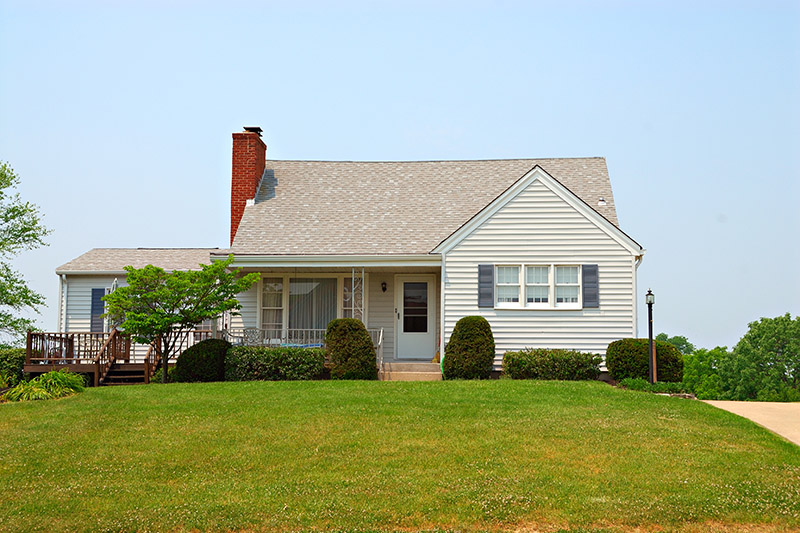
A USDA loan in Hampton Roads, VA is a government-backed mortgage that may allow an eligible buyer to purchase a primary residence with no down payment. At David Xie Mortgage Guy, we help borrowers understand property eligibility, household income limits, credit requirements, and documentation standards before they make an offer. Our approach is direct and borrower-first: we compare your situation with actual agency guidelines instead of adding unnecessary requirements.
Key Takeaways
- Zero-down financing: Eligible borrowers can finance up to 100% of the purchase price, although closing costs and prepaid expenses may still require funds.
- Geographic eligibility: The property must be inside an area currently designated as eligible by USDA.
- Household income limits: USDA considers qualifying income and household income differently, and current limits vary by location and household size.
- Primary residences only: A USDA mortgage cannot finance a rental property, vacation home, or second home.
- Documented repayment ability: Employment, self-employment, credit, debts, and available assets must satisfy USDA and lender requirements.
- Property standards: The appraisal must support the value and confirm that the home meets applicable safety, condition, and residential-use requirements.
- Additional review: USDA loans generally require lender underwriting followed by the applicable agency review or authorization process.
Common Questions About USDA Loans
USDA loans combine zero-down financing with location, income, occupancy, and property restrictions. These answers cover the questions we hear most often from local buyers.
- What is a USDA loan? It is a mortgage backed through the USDA Rural Development guaranteed loan program. It is intended to support eligible primary-home purchases in qualifying rural and suburban areas.
- Who may qualify for the USDA program? A buyer may qualify when the property is eligible, household income is within current limits, and the borrower demonstrates acceptable credit and repayment ability. Citizenship or eligible residency requirements also apply.
- How much down payment do I need? USDA financing permits a 0% down payment for qualified transactions. You should still plan for appraisal charges, inspections, closing costs, prepaid taxes, and homeowners insurance unless allowable credits cover them.
- Can I use a USDA mortgage if I am self-employed? Yes, but self-employment income must be documented under agency guidelines, commonly through tax returns and business records. A bank-statement-only calculation is generally associated with a separate Hampton Roads bank statement mortgage, not USDA qualification.
- Do I need excellent credit? No single score tells the whole story, and lender requirements can differ. Payment history, recent late payments, collections, debt obligations, and the overall underwriting result all matter.
- Is every home in Hampton Roads, VA eligible? No. Eligibility can change from one address to the next, so we verify the exact property through the current USDA eligibility system rather than relying on a city name or an old map.
- How long does USDA financing take? A straightforward purchase often closes in approximately 30 to 45 days, but appraisal issues, documentation conditions, and agency review volume can affect timing. That range is general guidance, not a closing commitment.
- Can USDA finance an investment property? No, the home must be your primary residence. Investors may instead explore Hampton Roads DSCR loans, which evaluate eligible rental properties under different standards.
How USDA Loans Work
A USDA purchase moves through borrower eligibility, property verification, underwriting, and agency authorization before closing. Completing those reviews in the right order helps prevent avoidable surprises.
- Review your goals and finances: We begin with your intended occupancy, income sources, debts, assets, credit history, and expected purchase range. This initial review helps determine whether USDA is worth pursuing or whether an FHA home loan or another program should also be compared.
- Calculate qualifying and household income: Qualifying income determines whether you can repay the mortgage, while household income is used for the program’s income-limit test. Income from certain adult household members can affect eligibility even when that person is not a borrower on the loan.
- Verify the target area: We check current USDA mapping for the specific address or the areas where you plan to shop. A postal address that sounds rural does not automatically qualify, and a suburban address is not automatically excluded.
- Document the application: You provide income, employment, asset, identification, housing-history, and credit documentation. Self-employed borrowers may need personal and business tax returns, year-to-date financial information, and explanations for significant income changes.
- Evaluate the home: After you have a ratified contract, an appraisal addresses market value and USDA property requirements. Health, safety, structural, or utility concerns may need to be corrected before closing, depending on the appraiser’s findings and underwriting review.
- Complete underwriting and USDA review: The lender evaluates the complete file against program standards and resolves outstanding conditions. The loan then follows the required USDA authorization process, which adds a step that conventional financing does not have.
- Review and sign closing documents: Before settlement, you receive disclosures showing your rate, payment, cash needed, and final costs. Once all conditions are satisfied and funds are available, the transaction can close and you can take ownership under the contract terms.
Is a USDA Mortgage Right for You?
A USDA mortgage may be a good fit for a moderate-income buyer seeking a primary home in an eligible area without making a down payment. It often works well for first-time buyers, but prior homeownership does not automatically prevent eligibility. In our experience, the strongest USDA files combine stable documented income, manageable monthly debts, acceptable recent credit, and a realistic budget for ownership expenses; buyers still learning the process can also review our first-time home buyer guidance.
Other financing should be considered when the property, occupancy, income, or documentation does not meet USDA standards. USDA is not designed for real estate investors, second-home buyers, or households above current income limits. A self-employed borrower whose tax returns do not support the requested payment may need to explore bank statement mortgages or non-QM lending, while a buyer targeting a noneligible address may want to compare FHA, VA, or conventional financing.
USDA Loan Costs, Fees, and Expectations
USDA eliminates the required down payment for eligible borrowers, but it does not eliminate the cost of buying and financing a home. Typical expenses include lender and settlement charges, an appraisal, title services, recording costs, prepaid interest, initial escrow deposits, homeowners insurance, and any inspections you choose.
USDA also applies an upfront guarantee fee and an annual fee under the program terms in effect as of 2026. The upfront charge can generally be financed when the completed loan remains within applicable requirements, while the annual charge is collected through the monthly payment.
| Feature | USDA Loan | FHA Loan | Conventional Loan |
|---|---|---|---|
| Minimum down payment | 0% for eligible borrowers | 3.5% with qualifying credit | Often 3% or more, depending on program |
| Location restriction | USDA-eligible areas only | No USDA map restriction | No USDA map restriction |
| Mortgage-related fee | Upfront and annual USDA fees | Upfront and annual mortgage insurance | Mortgage insurance may apply below 20% down |
| Typical use | Eligible primary residence | Primary residence | Varies by program and occupancy |
| General timeline | Often 30–45 days | Often 30–40 days | Often 30–40 days |
For a specific example, closing costs equal to 3% on a $300,000 purchase would be approximately $9,000, before any allowable seller or lender credits. What we typically see is that buyers focus on the 0% down payment but underestimate prepaid taxes, insurance, and escrow funding; your actual amount depends on the property, closing date, insurance quote, loan terms, and negotiated credits.
USDA fixed rates are often competitive with other government-backed programs, but pricing depends on market conditions and your complete application. Closing may take longer when repairs are required or USDA review queues are elevated, so the contract should provide a practical financing period.
Common USDA Loan Mistakes to Avoid
The most expensive USDA mistakes usually happen before underwriting, when buyers assume an address or household qualifies without verification. We recommend confirming the details before committing money to inspections, appraisal fees, or a moving schedule.
- Checking eligibility by ZIP code alone: USDA maps are address-specific, and one side of a developing corridor may qualify while nearby properties do not. Verify the exact address before treating the financing as workable.
- Leaving out household income: An adult who will live in the home may affect the household-income calculation even if that person is not on the mortgage. For example, a nonborrowing spouse’s earnings can push household income above the current limit while remaining unavailable as qualifying income for repayment.
- Moving large unexplained deposits: Depositing $15,000 from a relative shortly before underwriting can create sourcing and gift-documentation questions. Funds should be documented before they are used for closing, and undisclosed borrowing may add debt to the qualification.
- Confusing zero down with zero cash: An appraisal, inspection, earnest money deposit, and closing expenses may be due at different stages. Credits can help in some transactions, but they depend on program rules, negotiations, and sufficient room within the deal.
- Ignoring property-condition concerns: Peeling paint, damaged flooring, unsafe electrical components, or a nonfunctioning heating system may trigger repair requirements. An appraisal is not a substitute for an independent home inspection.
- Taking on new debt before closing: Financing furniture or a vehicle can increase your debt-to-income ratio and change the underwriting result. Keep credit and employment stable, and discuss material changes with us before acting.
Local Considerations for Hampton Roads, VA
USDA eligibility around Hampton Roads, VA is more common in outlying communities than in the region’s dense urban core, but every address requires a current map review. Buyers often examine areas around Suffolk, Smithfield, Isle of Wight County, and the southern edges of Chesapeake, while established neighborhoods closer to Norfolk and Virginia Beach are less likely to meet the geographic test. Development can also change an area’s status over time.
The region’s military and maritime economy creates additional underwriting details. Military families near Naval Station Norfolk may have basic allowance, deployment, or relocation income to document, while shipyard employees and port workers may receive overtime that requires a history and likelihood-of-continuance review. Rural and semi-rural properties may also involve private wells, septic systems, acreage, flood zones, or detached buildings, each of which can affect appraisal, insurance, and property eligibility.
Let’s Talk About Your USDA Loan
We can help you determine whether your income, credit, intended occupancy, and target property align with current USDA standards. Our work began 18 years ago with a simple belief: borrowers deserve straightforward answers and a lender who listens. If another lender turned you down because of an overlay rather than an agency rule, we can review the facts without jargon or implicit promises.
Get started with David Xie Mortgage Guy (NMLS #1660690) today by requesting a borrower-first review through our Get Started page. We will explain the available paths, the documentation involved, and the trade-offs so you can make an informed decision.
This is educational content and not financial advice. Loan programs and guidelines can change. Talk with a licensed mortgage professional about your specific scenario.