
Construction Home Loans in Hampton Roads, VA
Building a home is a big step. Our construction home loans are designed to support you at every stage of this exciting journey.
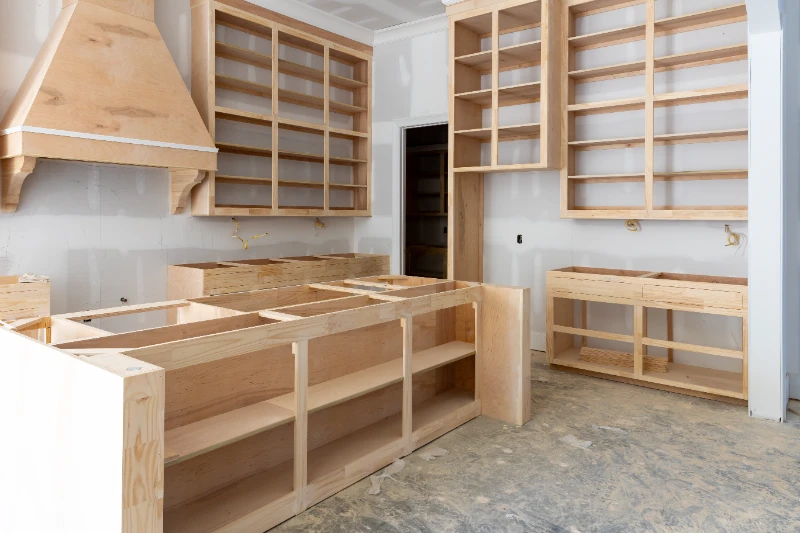
Understanding Construction Home Loans for Hampton Roads, VA
A construction home loan in Hampton Roads, VA finances the land, labor, materials, and other approved costs involved in building a home. At David Xie Mortgage Guy, we help borrowers understand the draw process, builder requirements, documentation, and permanent financing before construction begins. Our approach is direct, transparent, and focused on whether your project is qualified to the standards of the available program.
Key Takeaways
- Purpose: Construction financing pays approved project costs in stages rather than delivering all loan proceeds at closing.
- Project Review: The lender evaluates the plans, budget, builder, timeline, and estimated completed value.
- Draws: Builders receive funds after inspections confirm that scheduled work has been completed.
- Borrower Equity: Required cash or land equity varies according to the program, occupancy, credit profile, and project risk.
- Payments: Borrowers commonly pay interest on funds already disbursed during the construction period.
- Local Planning: Construction home loans in Hampton Roads, VA must account for permitting, flood exposure, insurance, and coastal building requirements.
- Conversion: Completed projects may convert into permanent financing or require a separate mortgage closing, depending on the loan structure.
Common Questions About Construction Loans
Construction loans involve both mortgage underwriting and a detailed review of the proposed building project.
- What is a construction home mortgage? It is financing that releases money through scheduled draws as a new home is built. The loan is based partly on the property’s expected value after completion.
- Who may qualify for a construction home program? Owner-occupants, second-home buyers, and investors may have options, but eligibility depends on the program, project type, finances, builder, and proposed use.
- How long does the process take? Underwriting and project approval often take longer than a standard home purchase, while the construction period may run several months or longer depending on permits, materials, weather, and scope.
- Can I use land that I already own? Often, yes. Documented land equity may count toward part of your required contribution, subject to the appraisal, existing liens, and program guidelines.
- Do I need a licensed general contractor? Most programs require an experienced, properly insured builder who passes the lender’s review. Owner-builder arrangements are limited and generally receive closer scrutiny.
- Is the interest rate fixed during construction? It depends on the structure. Some loans lock permanent financing upfront, while others use a construction-period rate followed by a separate permanent mortgage.
- Can self-employed borrowers obtain construction financing? They may qualify when income, assets, credit, and project details satisfy underwriting requirements. If tax returns do not reflect current cash flow, our Hampton Roads bank statement mortgage options may also be worth reviewing.
- What if the property is an investment project? Investor construction programs exist, but reserves and equity requirements may be higher. A completed rental may later be evaluated through DSCR loans for Hampton Roads rental properties.
How Construction Home Loans Work
A construction loan moves from borrower review to project approval, closing, controlled draws, and final conversion.
- Define the Project: We start with the property address or land parcel, intended occupancy, estimated cost, and expected timeline. This initial review helps identify whether the request belongs in an agency, portfolio, investor, or non-QM program.
- Review Your Finances: We examine credit, income, assets, existing debts, and available reserves. Self-employed applicants may need business returns, personal returns, profit-and-loss statements, or another permitted form of documentation, depending on the program.
- Approve the Builder and Budget: The lender reviews the builder’s license, insurance, experience, contract, cost breakdown, and construction schedule. Plans, specifications, permits, and a contingency reserve may also be required before final approval.
- Order an As-Completed Appraisal: The appraiser estimates the home’s value as though construction were finished according to the submitted plans. The loan amount is then evaluated against eligible project costs and that projected value.
- Close and Establish Draws: At closing, required borrower funds or land equity are documented, and the draw schedule is finalized. Funds remain controlled rather than being released to the contractor as one lump sum.
- Build, Inspect, and Disburse: The builder requests money after completing defined stages such as foundation, framing, mechanical systems, and finishes. An inspector verifies progress, and the lender may require invoices, lien waivers, or title updates before releasing each draw.
- Complete and Convert: Final inspections, occupancy approval, and any remaining documentation must be delivered when the home is finished. A one-close loan generally converts to permanent financing, while a two-close structure requires a second mortgage transaction.
When Construction Financing May Make Sense
Construction financing may be a good fit when you have a buildable lot, an approved contractor, a realistic budget, and sufficient funds for equity and reserves. It can serve buyers building a primary residence, self-employed professionals with documentable finances, and experienced investors developing a property for long-term use. In our experience, borrowers with final plans and a fixed-price contract before underwriting encounter fewer budget revisions and appraisal questions.
Other programs should be considered when the project is smaller, the plans are still changing, or the contractor cannot meet lender requirements. A buyer purchasing an existing property with repairs may find a rehab loan more practical. Investors planning to renovate and resell may instead review a fix and flip home loan. Borrowers with limited reserves should also consider the risk of change orders, carrying costs, and payment increases before committing.
Construction Loan Costs, Fees, and Timelines
Construction loans usually cost more to administer than mortgages on completed homes because they require project review, inspections, and multiple disbursements. Closing costs may include the appraisal, title work, lender charges, builder review, surveys, permits, inspection fees, and draw administration. A two-close transaction may involve another set of closing expenses when permanent financing is arranged.
Required equity often falls in a broad 10% to 25% range, although the actual requirement depends on occupancy, credit, loan structure, land value, and project risk. For example, on a $600,000 eligible project requiring 15% borrower equity, the contribution would be approximately $90,000 before closing costs; verified equity in an owned lot may satisfy part of that amount.
Construction-period pricing is often higher than pricing on a completed-home mortgage because the collateral is unfinished. What we typically see is that timelines are driven less by underwriting than by builder documentation, permits, inspections, and material availability, so a well-supported schedule matters.
| Feature | Construction Home Loan | Completed-Home Mortgage |
|---|---|---|
| Funds | Released through inspected draws | Disbursed at purchase closing |
| Equity | Often 10%–25%, program dependent | May be lower under eligible programs |
| Payments | Often based on funds drawn | Based on the full loan balance |
| Extra Costs | Draw, inspection, and project-review fees | Standard purchase closing costs |
| Timeline | Approval plus the construction period | Standard purchase closing period |
Common Construction Loan Mistakes to Avoid
Most construction loan problems begin with an incomplete budget, an unapproved builder, or changes made after underwriting.
- Starting work too early: Work completed before closing may be ineligible for reimbursement. Early site work can also complicate inspections, title coverage, and the lender’s verification of borrower contributions.
- Leaving soft costs out of the budget: Architectural fees, engineering, surveys, utility connections, permits, landscaping, and construction interest can materially change the required cash contribution.
- Using an unsupported allowance: A contract might include $20,000 for cabinets, but the selected package may cost $35,000. That $15,000 difference generally must be resolved through contingency funds, borrower cash, or an approved change order.
- Changing plans after the appraisal: Adding square footage, moving walls, or substituting major finishes can require appraisal and underwriting review. Unapproved changes may delay a draw even when the work has already been completed.
- Assuming every builder is acceptable: A skilled contractor may still lack the licensing, insurance, financial capacity, or construction-loan experience required by the lender.
- Spending reserves before completion: Furniture, vehicles, or new credit obligations can weaken the financial profile originally approved. We recommend discussing material financial changes before making them.
Local Considerations for Hampton Roads, VA
Local construction planning must address flood zones, wind exposure, insurance availability, municipal permits, and military-driven housing demand. Projects in Virginia Beach areas such as Sandbridge may involve coastal flood insurance, elevation requirements, and added site-work review, while building in Chesapeake communities such as Great Bridge can involve septic, drainage, or utility considerations depending on the parcel. Norfolk neighborhoods including Ocean View can present infill lots where setbacks, demolition, and surrounding comparable sales affect the appraisal.
The region’s Navy installations, shipyards, defense contractors, and port economy create steady demand but also frequent military relocations. Local jurisdictions issue their own permits and inspections, so a contractor experienced in the specific city—not merely the wider region—can help produce a more reliable schedule and budget.
Let’s Talk About Your Construction Project
We can help you evaluate the financing before you commit to a lot, builder contract, or final construction budget. Bring us your plans, estimated costs, income documentation, and questions, and we will explain the available paths with no jargon and no implied promises. Get started with David Xie Mortgage Guy (NMLS #1660690) today by requesting a borrower-first review through our Get Started page.
This is educational content and not financial advice. Loan programs and guidelines can change. Talk with a licensed mortgage professional about your specific scenario.