
Rehab Loans for Real Estate Investors in Hampton Roads, VA
You may be able to purchase a home and roll the costs of the renovation into your loan.
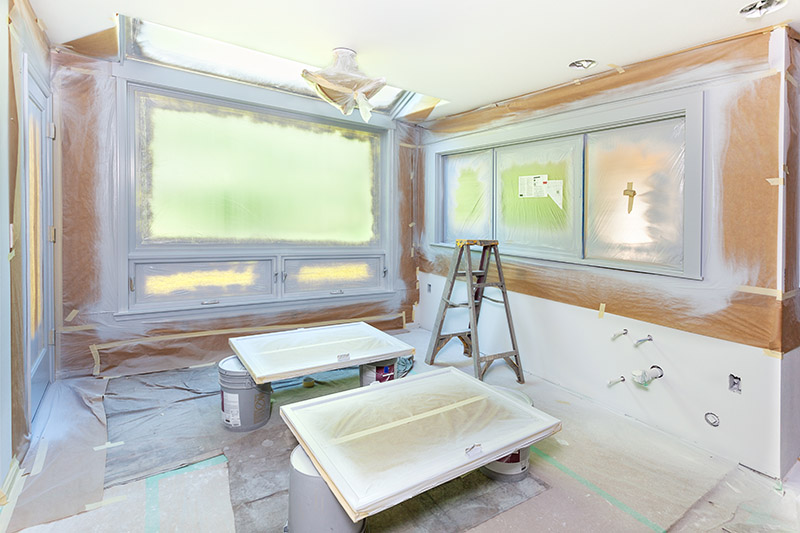
A rehab loan in Hampton Roads, VA combines property financing and eligible renovation costs into one coordinated loan. At David Xie Mortgage Guy, we help buyers and investors evaluate these loans with direct, borrower-first guidance based on the property, project scope, and current program standards.
Key Takeaways
- Combined financing: A rehab mortgage may finance the purchase or refinance together with approved renovation expenses.
- Program choices: Options can include FHA 203(k), conventional renovation mortgages, and investor-focused rehab programs.
- Future value matters: Underwriting commonly considers an appraisal based on the proposed improvements and expected completed condition.
- Funds are controlled: Renovation money is generally held in an escrow account and released through documented draws.
- Planning is essential: Contractor bids, project specifications, permits, and contingency funds may be required before closing.
- Terms vary: Occupancy, credit, reserves, property condition, and project complexity can affect available programs and pricing.
Common Questions About Rehab Loans
Rehab loans finance an eligible property and its approved improvements through a structured mortgage process. Here are direct answers to the questions we hear most often.
- What is a rehab mortgage? It is financing that combines the property transaction with a renovation budget. Depending on the program, the loan may be based partly on the property’s projected value after the approved work is completed.
- Who may use a rehab program? Owner-occupants, buyers refinancing an existing home, and real estate investors may have options, although eligibility and permitted property types differ by program.
- How long does the process usually take? A rehab transaction often takes longer than a standard mortgage because the lender must review the contractor, specifications, appraisal, and renovation budget. A straightforward file may close in roughly 45 to 60 days, but complex work can require more time.
- Can I complete the repairs myself? Some programs restrict or prohibit do-it-yourself work, while others review it case by case. Even when self-help work is allowed, labor reimbursement may be limited and the borrower must demonstrate appropriate experience.
- Do I need a contractor before applying? You can discuss financing before selecting a contractor, but a complete bid is generally needed before final approval. The contractor may also need to provide licensing, insurance, references, and financial documentation.
- Is every renovation eligible? No. Health, safety, structural, energy-efficiency, and ordinary modernization work are commonly considered, but luxury items or improvements that do not add supportable value may be restricted.
- How are contractors paid? Renovation funds are usually released in draws after completed work is inspected. Contractors should understand that they may not receive the entire project budget at closing.
- What if rental income matters more than my personal income? An investor may want to compare rehab financing with a DSCR loan, which generally evaluates the property’s rental cash flow under the lender’s current standards.
How Rehab Loans Work
A rehab loan moves from borrower review to project approval, closing, and controlled construction draws. Each stage matters because the lender is evaluating both your financial profile and a property that is not yet in its completed condition.
- Review the borrower and project: We begin with your credit, income documentation, assets, occupancy plans, and renovation goals. This allows us to compare agency-guided programs with investor products and identify documentation issues early.
- Choose an eligible property: The home must meet the selected program’s rules for property type, occupancy, and completed condition. Severe foundation damage, unpermitted additions, mixed-use space, or environmental concerns can require additional review.
- Build the scope and budget: Your contractor prepares an itemized proposal describing materials, labor, permits, and completion dates. A vague estimate is rarely sufficient because underwriting and the appraiser need to understand exactly what the loan will fund.
- Order the renovation appraisal: The appraiser reviews the property as it stands and considers the plans and specifications. The resulting report supports a projected completed value, but the maximum financing calculation still depends on the chosen program.
- Complete underwriting: The lender reviews your borrower documents alongside the appraisal, title work, contractor package, and renovation plan. Credit challenges do not automatically end the discussion, but recent housing events, unresolved collections, or limited reserves may narrow the available choices.
- Close and establish the escrow: Purchase or refinance funds are disbursed at closing, while the approved repair budget is generally placed in a controlled account. Work should not begin early unless the lender has specifically authorized it.
- Finish work and request draws: The contractor completes approved stages, submits draw requests, and provides supporting invoices or lien releases. Inspections confirm progress before funds are released, and a final inspection documents project completion.
When a Rehab Mortgage May Make Sense
Rehab financing may be a good fit when the property needs meaningful work and preserving cash for construction is important. It can serve owner-occupants buying an older home, self-employed borrowers with documentable earnings, and investors acquiring properties that cannot qualify for ordinary financing in their current condition. In our experience, the strongest files start with a realistic budget, an experienced contractor, and enough reserves to handle changes without stopping the project.
Some borrowers should consider a different structure. Investors planning a short resale may want to review a fix and flip home loan, while self-employed buyers whose tax returns understate current cash flow may explore a bank statement mortgage. A standard purchase loan may also be more practical when repairs are minor, the home is already habitable, or the seller requires a shorter closing schedule.
Rehab Loan Costs, Fees, and Expectations
Rehab loans usually involve more third-party work and administrative expense than a standard mortgage. In addition to the down payment and ordinary closing costs, you may encounter renovation appraisals, inspections, title updates, draw fees, consultant charges, permit expenses, and contingency reserve requirements. Interest rates and lender fees depend on the program, credit profile, occupancy, leverage, and project risk.
FHA 203(k) financing may allow a 3.5% minimum investment for qualified borrowers, while conventional and investor rehab loans often require more equity. For example, on a $300,000 purchase with a $75,000 approved renovation budget, the transaction involves a $375,000 total project cost before closing expenses; a 10% project contribution would equal roughly $37,500, although the actual required funds could be higher or lower under the selected program.
What we typically see is that complete contractor documents save more time than trying to rush an incomplete file. Closing commonly requires 45 to 60 days, and renovation deadlines often range from several months to about a year depending on program rules and project complexity.
| Feature | Rehab Loan | Standard Mortgage |
|---|---|---|
| Financed purpose | Property plus approved repairs | Property in acceptable current condition |
| Down payment | Varies by program and occupancy | Based on standard program requirements |
| Appraisal | May consider completed plans and value | Primarily evaluates current condition |
| Additional costs | May include draws, inspections, and consultants | Usually no renovation administration |
| Repair funds | Held in escrow and released in stages | Not included in the mortgage |
| Typical closing schedule | Often 45–60 days | Often shorter when the file is straightforward |
Common Rehab Loan Mistakes to Avoid
The most expensive rehab mistakes usually begin with an incomplete budget or a misunderstanding of draw rules. Careful preparation reduces the risk of delayed closing, unpaid contractors, and unfinished work.
- Using a one-page contractor estimate: Underwriters generally need line-item costs, materials, labor, permit information, and a clear timeline. Missing detail can also prevent the appraiser from supporting the proposed completed value.
- Ignoring contingency requirements: Opening walls can reveal damaged wiring, plumbing leaks, mold, or termite activity. A contingency reserve may be required, especially for older properties or projects involving structural work.
- Starting repairs before closing: For example, removing the kitchen after the appraisal but before settlement can change the collateral condition and trigger a reinspection or underwriting review. Wait for written authorization before beginning work.
- Hiring a contractor unfamiliar with draws: A contractor expecting full payment upfront may create immediate cash-flow conflict. Confirm that the contractor can fund labor and materials between inspections and scheduled disbursements.
- Changing plans without approval: Moving funds from roofing to cosmetic upgrades may violate the accepted scope, even if the total budget stays the same. Material changes should be documented and approved before the work proceeds.
- Confusing rehab financing with construction financing: Ground-up construction and major teardown projects may require a dedicated construction home loan rather than a renovation mortgage.
Local Considerations for Hampton Roads, VA
Rehab projects in Hampton Roads, VA require close attention to flood exposure, older housing systems, municipal permits, and military-driven transaction schedules. Properties in Norfolk’s Ghent and Ocean View neighborhoods may involve historic features or flood-zone questions, while homes in Portsmouth’s Olde Towne can require careful review of aging electrical, plumbing, and foundation components. Military families connected to Naval Station Norfolk and other defense employers also influence rental demand and resale timing.
Permitting is handled by the city where the property sits, so requirements in Virginia Beach may differ from those in Chesapeake or Newport News. In our experience, waterfront or low-lying properties deserve early insurance review because elevation, wind exposure, and flood coverage can affect both the monthly housing expense and the practical renovation budget.
Let’s Talk About Your Rehab Loan
We can help you compare the property, renovation plan, and borrower documentation before you commit to a financing structure. Our approach is transparent and no jargon: we explain the trade-offs, identify likely documentation requirements, and determine whether you appear qualified to the standards available in 2026. Get started with David Xie Mortgage Guy (NMLS #1660690) today by requesting a personalized review through our Get Started page.
This is educational content and not financial advice. Loan programs and guidelines can change. Talk with a licensed mortgage professional about your specific scenario.